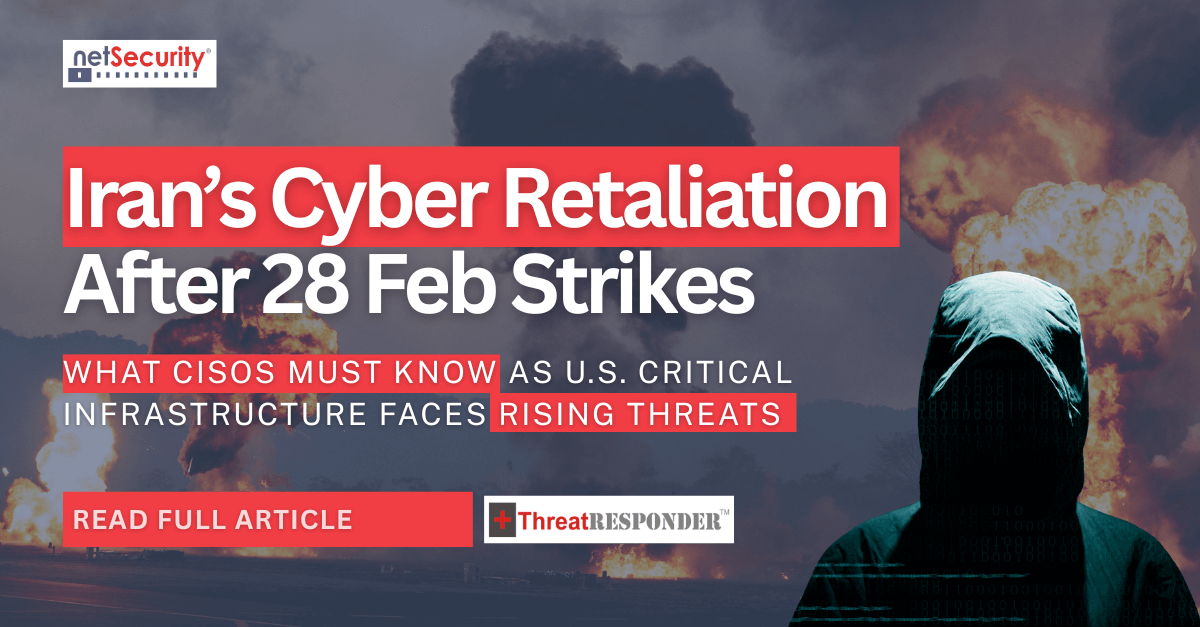
Iran’s Cyber Retaliation After 28 Feb Strikes: What CISOs Must Know as U.S. Critical Infrastructure Faces Rising Threats
The geopolitical landscape shifted sharply after the coordinated strikes on Iran on 28 February 2026, marking the beginning of a hybrid conflict that fuses kinetic operations with sophisticated cyber retaliation. For CISOs and executive leaders responsible for safeguarding U.S. critical infrastructure, the evolving threat environment requires heightened vigilance and proactive defensive strategy. Cyber operations have emerged as a primary tool of state retaliation, and Iran’s response has demonstrated a willingness to blend destructive cyber techniques with broad influence operations targeting both regional and global networks. This article provides a detailed analysis of how Iran is leveraging cyber capabilities in the aftermath of the strikes and what American organizations must do to strengthen their security posture.
Understanding the Cyber Retaliation Landscape
In the hours following the strikes, global security analysts observed a rapid escalation in cyber activity attributed to Iranian state operators, Ministry of Intelligence and Security affiliated groups, and proxy cyber collectives. Iran has long leveraged cyber operations to offset conventional military disadvantages and achieve asymmetric effects against technologically superior adversaries. The immediate aftermath of the February strikes saw widespread digital disruption inside Iran, but external Iranian cyber assets continued operations unimpeded, underscoring their distributed and internationally staged infrastructure.
Iran’s retaliation strategy is built on creating operational chaos, undermining public confidence in targeted nations, and probing vulnerabilities in critical infrastructure systems. For U.S. defenders, the combination of increased hacktivist mobilization, state aligned offensive cyber units, and opportunistic criminal groups significantly expands the attack surface and complicates attribution.
Key Cyber Threats Emerging After the 28 Feb Strikes
Iran-linked threat actors have deployed a diverse array of cyber tactics that range from destructive malware to credential harvesting. The following threat categories represent the most relevant vectors CISOs must monitor:
Destructive Wiper Malware
Wiper malware has reemerged as one of the most concerning elements of Iranian cyber retaliation. These tools are designed to erase data, corrupt system functionality, and force lengthy operational downtime. Unlike ransomware, which typically aims for financial gain, wipers focus entirely on destruction. Once executed, they can rapidly propagate across networked environments, making containment difficult without rigorous segmentation and endpoint controls. Wipers are particularly dangerous for organizations with insufficient backup strategies or those reliant on legacy OT systems.
ICS and OT Intrusion Attempts
Multiple industries have reported attempts to compromise operational technology and industrial control systems. These intrusions seek to access supervisory control and data acquisition systems, manipulate physical processes, or gather intelligence for future attacks. ICS environments traditionally prioritize uptime over security, making them attractive targets. Given Iran’s demonstrated interest in energy, utilities, transportation, and fuel distribution networks, U.S. operators of critical infrastructure should assume elevated targeting across OT environments.
Distributed Denial of Service Campaigns
DDoS attacks have surged as part of Iran’s retaliation playbook. These campaigns aim to disrupt public services, financial operations, and government communication portals. While often perceived as simple volumetric floods, modern DDoS attacks can be multi vector and layered with protocol abuse, application interference, and extortion attempts. For sectors with public facing portals, especially finance, government, and healthcare, DDoS attacks can serve as a smokescreen for concurrent data exfiltration.
Credential Harvesting and Cloud Identity Abuse
Iranian threat groups have a long history of targeting internet facing authentication systems. This includes VPN appliances, email portals, SSO providers, and unpatched remote access tools. Once credentials are stolen, adversaries can pivot into cloud environments, escalate privileges, and access sensitive workloads. With many enterprises relying heavily on cloud infrastructure, identity centric attacks have become one of the fastest ways for Iranian operators to gain deep access.
Mobile Malware and Social Engineering
State aligned actors have increasingly turned to mobile platforms to compromise targets in government, defense, energy, and technology sectors. Social engineering plays a major role in these operations, using SMS phishing, fake apps, and impersonation of trusted sources. Once a malicious mobile package is installed, it can capture credentials, intercept communications, and bypass MFA by compromising the device level trust model.
Hack and Leak Campaigns
Iranian affiliated groups commonly combine data theft with public release operations intended to embarrass and pressure organizations and government entities. These campaigns can involve stealing sensitive communications, legal documents, internal reports, or customer data and releasing them through anonymous channels. The goal is to create reputational damage, sow distrust, and heighten public fear during geopolitical instability.
How U.S. Critical Infrastructure Faces Elevated Risk
U.S. critical infrastructure operators face unique challenges during periods of heightened geopolitical conflict. The integrated nature of national infrastructure means that even sectors not directly targeted may feel second order impacts from compromised suppliers, cloud providers, or shared services. Iran’s distributed cyber capabilities and reliance on global proxies further widen the threat horizon.
Energy and utilities remain primary targets due to their geopolitical importance. Water facilities, transportation networks, shipping operations, and air traffic management systems also face increased probing. Additionally, the healthcare sector, which manages highly sensitive data and operates 24 hours a day, remains vulnerable to ransomware and destructive malware.
The financial sector, particularly payment systems and banking authentication services, is at heightened risk during geopolitical conflicts since disruption can produce macroeconomic effects. Cloud service providers, identity management firms, and global telecom carriers also represent attractive targets because compromise yields high leverage over downstream customers.
U.S.-based organizations must assume that Iranian operators are actively seeking exploitable vulnerabilities in edge systems, cloud identities, OT networks, and supply chain vendors. Even organizations with mature security governance should expect increased phishing, credential abuse attempts, and reconnaissance scanning.
Actionable Guidance for CISOs and Enterprise Security Leaders
The current threat environment demands proactive and disciplined defensive strategy. CISOs should adopt a prioritized approach to both prevention and response.
Strengthen Identity and Access Control
Implement phishing resistant multi factor authentication on all privileged accounts. Eliminate legacy authentication protocols and enforce conditional access policies tied to device posture and user behavior. Rotate credentials for service accounts, automation systems, and administrative tools. Enforce least privilege and verify that privileged roles are assigned only where required. Identity compromise remains one of the most common entry points used by Iranian operators.
Reduce External Attack Surface Exposure
Inventory and monitor all internet facing assets including cloud workloads, VPN appliances, and remote management tools. Ensure aggressive patching of critical vulnerabilities and consider isolating high-risk systems behind secure access solutions when immediate patching is not feasible. Validate that default credentials, old portals, and abandoned integrations are removed from the environment.
Increase Monitoring in OT and ICS Environments
Deploy network based anomaly detection tools tailored for industrial protocols. Confirm segmentation between IT and OT networks and eliminate unnecessary trust relationships. Maintain offline backups of critical control systems and regularly test operational recovery procedures. Engage in cross departmental coordination to ensure operations and security teams share visibility and incident playbooks.
Improve Threat Detection and Response
Tune alerting and detection to cover tactics commonly used by Iranian APT groups, including unusual PowerShell usage, suspicious scheduled tasks, cloud identity anomalies, lateral movement patterns, and DNS tunneling. Conduct regular threat hunting exercises and examine logs for persistence mechanisms such as rogue OAuth applications or unauthorized API usage.
Conduct Realistic Tabletop Exercises
Design scenario based tabletop exercises that simulate destructive malware outbreaks, coordinated DDoS attacks, supplier compromise, and OT disruption. Involve both executive leadership and technical teams to validate communication paths and decision making under pressure. Ensure public relations, legal, and operational leaders understand their roles during an escalation.
How ThreatResponder Supports Proactive Defense
As Iranian aligned groups diversify their cyber operations, organizations need a platform that provides continuous visibility, rapid detection, and automated response. ThreatResponder offers a unified defensive capability that equips CISOs with the tools required to stay ahead of nation state threats.
Threat Intelligence Integration
ThreatResponder integrates actionable intelligence on threat actor behaviors and TTPs, enabling defenders to detect adversary activity early. Behavior based detections help identify attacks even when indicators change.
Identity Threat Protection
The platform monitors for signs of account compromise, anomalous access requests, and malicious application consent. Automated remediation actions can revoke tokens, force reauthentication, or isolate suspicious sessions.
Automated Response Orchestration
ThreatResponder executes playbooks that isolate compromised hosts, cut off malicious traffic, rotate secrets, disable accounts, and trigger containment actions when destructive malware or identity abuse is detected.
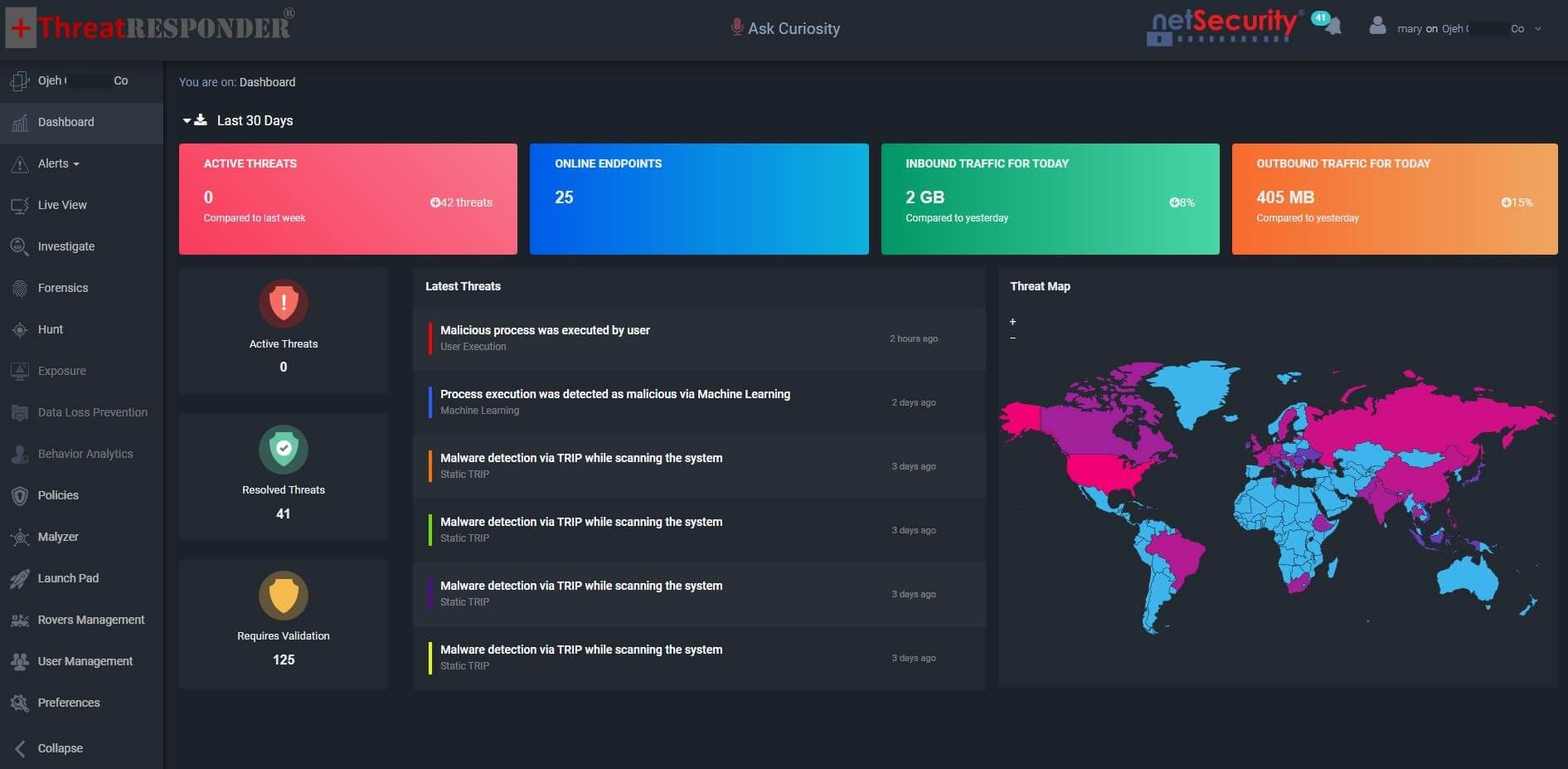
Executive Ready Dashboards
Clear reporting visualizes risks, attack paths, and recommendations in a business friendly format suited for leadership briefings and regulatory communication.
Final Thoughts
Iran’s cyber retaliation following the 28 February strikes has transformed the global security environment. For U.S. critical infrastructure organizations and the enterprises that support them, the threat is not hypothetical. It is active, adaptive, and likely to intensify. Iran’s combination of state aligned operators, global hacktivists, destructive malware, ICS targeting, and identity centric exploitation presents a multifaceted challenge that requires strong fundamentals, disciplined monitoring, and resilient incident response.
Organizations that invest in proactive defense capabilities and real time threat visibility will be best positioned to navigate this period of heightened risk. ThreatResponder delivers the intelligence integration, automated detection, and cross domain protection necessary to stay ahead of rapidly evolving threats. In a landscape defined by hybrid conflict and asymmetric retaliation, readiness is the strongest defense.
Disclaimer
The page’s content shall be deemed proprietary and privileged information of NETSECURITY CORPORATION. It shall be noted that NETSECURITY CORPORATION copyrights the contents of this page. Any violation/misuse/unauthorized use of this content “as is” or “modified” shall be considered illegal and subjected to articles and provisions that have been stipulated in the General Data Protection Regulation (GDPR) and Personal Data Protection Law (PDPL).